Dry Matter vs As Fed: Why It Matters for Horse Nutrition
Understanding the difference between “as fed” and “dry matter” helps explain why pasture, hay and haylage can’t be compared by weight alone. It’s also the reason nutritionists evaluate feeds on a dry matter basis when assessing whether a horse’s diet is meeting its nutrient requirements.
What Does “As Fed” Mean?
“As fed” simply means the feed exactly as your horse eats it, including both its nutrients and its water content.
If you weigh:
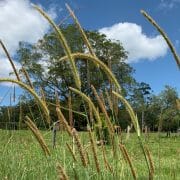
- 1 kg of fresh pasture
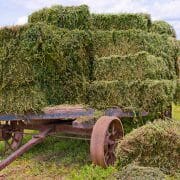
- 1 kg of hay
- 1 kg of haylage
each weighs 1 kg as fed.
However, although they weigh the same, they do not provide the same amount of nutrition because they contain very different amounts of water.
What Is Dry Matter?
Dry matter is the portion of a feed that remains after all of the water has been removed.
It contains the nutrients your horse relies on, including:
- Energy
- Protein
- Fibre
- Vitamins
- Minerals
Water is essential for hydration and many normal body functions, but it doesn’t contribute energy, protein, vitamins or minerals. Removing the water from the calculation allows feeds with different moisture contents to be compared fairly.
Why Nutritionists Use Dry Matter
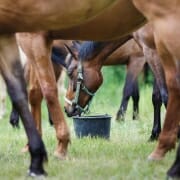
Imagine comparing two buckets.
One is filled mostly with hay. The other is filled mostly with water.
Even if the buckets weigh exactly the same, they clearly don’t contain the same amount of nutrition.
The same principle applies to horse feeds. Water adds weight but very little nutrition. By comparing feeds on a dry matter basis, nutritionists can accurately compare pasture, hay, haylage and concentrates, regardless of how much moisture they contain.
Moisture Makes a Big Difference
The amount of water in forage varies considerably. This means two feeds that weigh exactly the same can provide very different amounts of nutrition.
| Feed | Typical Water Content | Typical Dry Matter |
|---|---|---|
| Fresh pasture | 75 to 85% | 15 to 25% |
| Haylage | 35 to 50% | 50 to 65% |
| Hay | 10 to 15% | 85 to 90% |
| Pelleted feed | 8 to 12% | 88 to 92% |
You’ll notice that forage analyses are almost always reported on a dry matter basis. This allows hays, haylage and pasture samples to be compared fairly, regardless of how much moisture they contain.
A Practical Example
Imagine your horse eats 10 kg of fresh pasture that contains 20% dry matter.
That provides:
- 2 kg of dry matter
- 8 kg of water
Now compare that with 10 kg of hay containing 90% dry matter.
That provides:
- 9 kg of dry matter
- 1 kg of water
Although both meals weigh 10kg, the hay provides more than four times as much dry matter.
This doesn’t mean hay is “better” than pasture. It simply demonstrates why feeds with different moisture contents can’t be compared just by “as fed” weight.
Why This Matters for Horse Owners
Understanding dry matter helps answer many of the practical questions horse owners face every day, including:
- Is my horse eating enough forage?
- How does pasture compare with hay?
- How much haylage should I feed instead of hay?
- Does my horse need additional nutrients alongside its forage?
Without considering moisture content, it’s easy to overestimate how much dry matter — and therefore nutrients — a horse is receiving, particularly when grazing lush pasture or feeding high-moisture forages.
Dry Matter and Forage Requirements
You’ll often see recommendations that horses should consume at least 1.5% of their body weight as forage each day.
This recommendation refers to forage dry matter intake, not the fresh weight of the forage.
For example, a 500 kg horse should consume at least 7.5 kg of forage dry matter each day.
That could be approximately:
- 37.5 kg of fresh pasture at 20% dry matter, or
- 8.3 kg of hay at 90% dry matter
The amount of forage required changes because the moisture content changes.
Many horses consume around 2% of their body weight as forage dry matter each day, depending on age, workload, body condition and the overall diet.
How FeedXL Uses Dry Matter
FeedXL automatically accounts for the moisture content of feeds before calculating nutrient intake.
This means pasture, hay, haylage and other feeds are compared based on the nutrients they actually provide, rather than simply on how much they weigh.
FeedXL evaluates diets on a dry matter basis rather than simply comparing feeds by weight. This allows nutrient intake to be assessed more accurately and helps identify whether any adjustments may be needed.
The Bottom Line
“As fed” tells you how much feed your horse is eating.
“Dry matter” standardises nutrient levels so you can compare them. It also allows you to calculate forage or total intake and ensure you’re meeting your horse’s requirements.
Understanding the difference removes one of the biggest sources of confusion in horse nutrition.
It’s a simple concept, but one that underpins almost every accurate nutrition calculation. Once you understand dry matter, you’ll have a much clearer picture of what your horse is really eating, and can build a more balanced diet.
FeedXL members — now’s the perfect time to see how dry matter plays out in your own horse’s diet.
Log in and review your forage and fibre balance »
Not using FeedXL yet?
Join today to start building scientifically balanced diets for your horse »