This is something we often hear… and 99% of the time it is WRONG!
Forages are (almost) always too low in trace minerals to meet a horse’s requirements and leaving them un-supplemented on forage only diets usually results in problems with their hooves, joints, immune system, muscles … everything really!
They may look OK, but there is usually a bunch of stuff going on inside that you can’t see until a deficiency is quite pronounced.
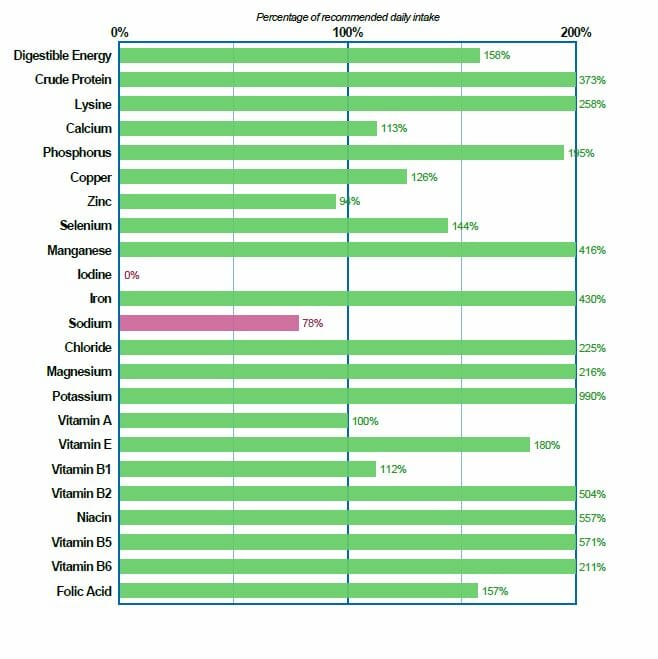
BUT, there are always exceptions to the rule and here is one example. This is a pasture from New Zealand that is able to meet all trace mineral requirements without any additional supplementation.
Even for selenium, which is something we don’t expect in New Zealand!
Sodium is a bit low (nothing unusual there) and iodine was not tested, but the fact is it is actually a pasture that horses would do OK on without extra supplementation. Just need a bit of iodised salt!
The horses on this pasture were being fed a selenium-containing balancer pellet and recently tested with blood selenium levels just in the high range (nothing scary, just high).
The lesson in this, forage analysis is a wonderful tool when assessing your horse’s diet and FeedXL makes it so super easy to really see what forage is providing and what you need to add, which in this case is very little.
If you’d like to have your forage tested, we love to recommend Equi-Analytical and within Australia, Feed Central (an affiliate laboratory of Equi-Analytical).
Once you have your analysis results, you can easily upload this into the FeedXL software to create your own hay or pasture (available on Standard or Premium plans only).
Not yet a Member of FeedXL?
Get EVEN MORE practical and personalised feeding guidance when you sign up to FEEDXL.
Do you have a question or comment? Do you need help with feeding?
We would love to welcome you to our FeedXL Horse Nutrition Facebook Group. Ask questions and have them answered by PhD and Masters qualified equine nutritionists and spend time with like-minded horse owners. It’s free!
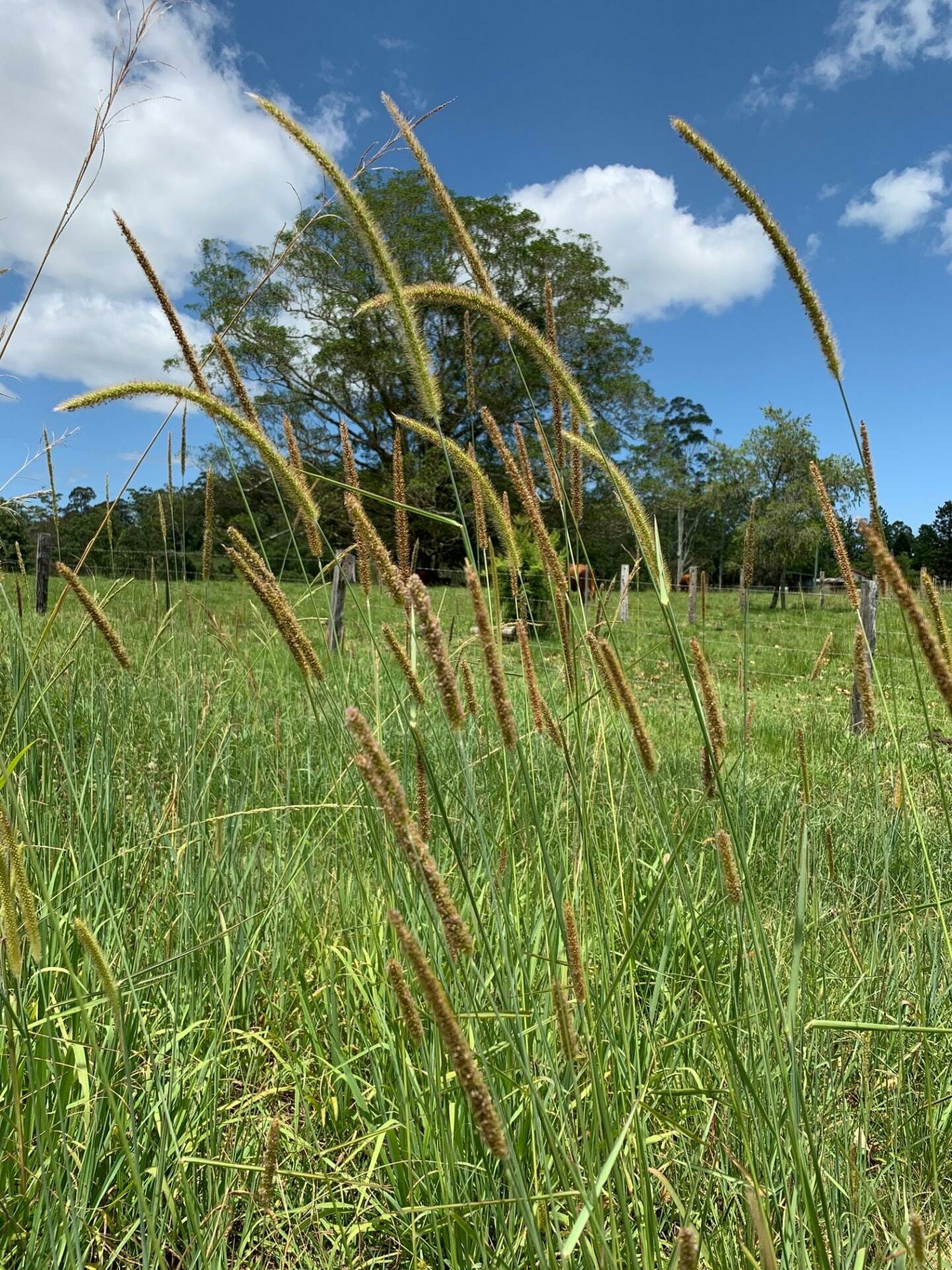
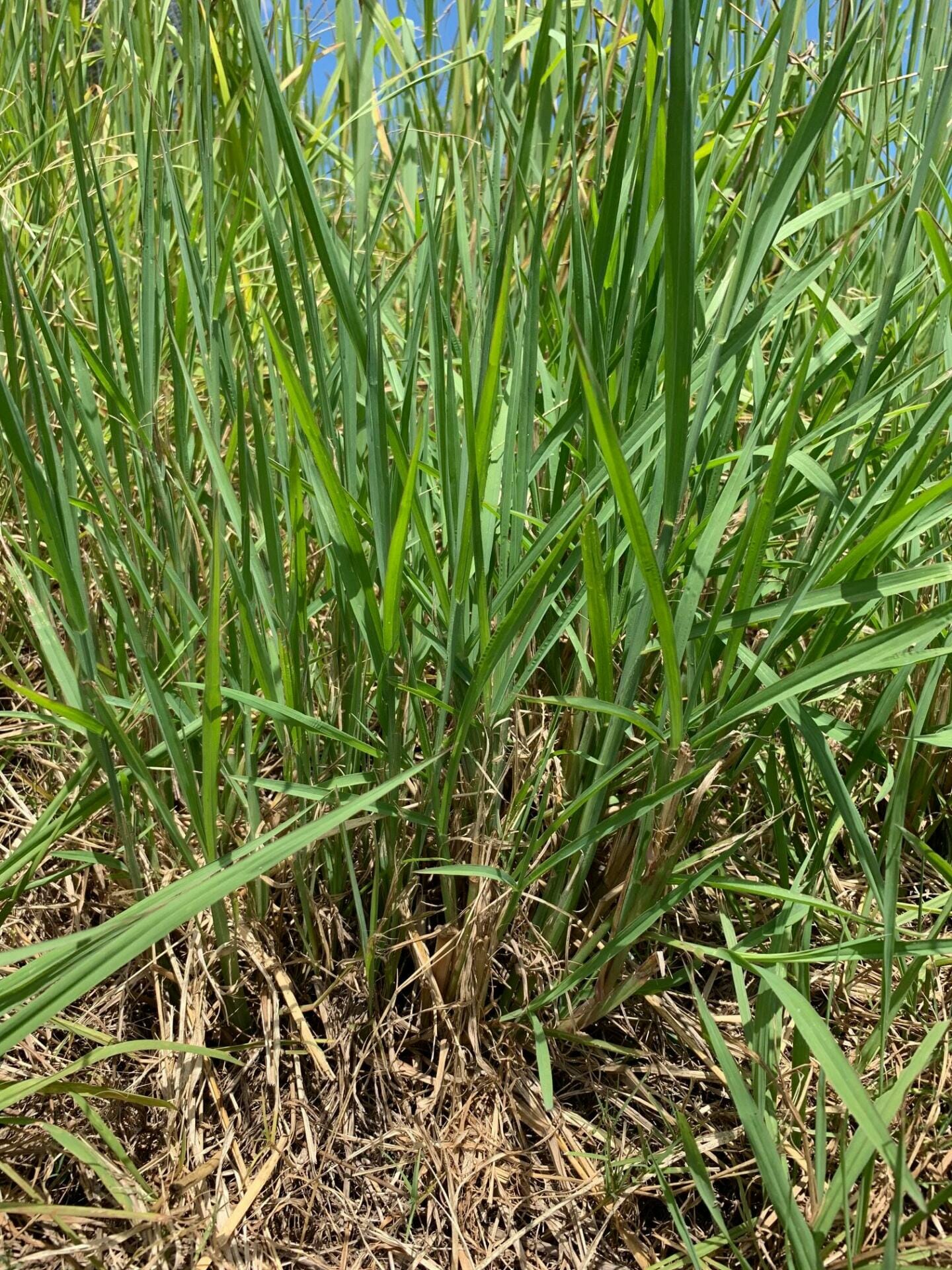
Setaria should really be classified as toxic for horses. It is a subtropical pasture with such high levels of oxalate that it makes it almost impossible to prevent Secondary Nutritional Hyperparathyroidism (Bighead disease) in horses grazing this grass.
Grasses like kikuyu and buffel grass readily cause bighead disease with an oxalate content of around 15 g/kg. Setaria contains anywhere between 30 and 80 grams of oxalate per kg of (90% dry matter) pasture… which translates to HUGE amounts of calcium being needed to balance the calcium to oxalate ratio to prevent bighead.
We have seen horses go from normal to severely affected in a matter of months on setaria. So if you have setaria in your pasture you need to be very aware of what you are feeding and how well this is meeting calcium (as well as phosphorus and magnesium) requirements.
FeedXL will help you in calculating the calcium to oxalate, calcium to phosphorus and calcium to magnesium ratios to keep your horse healthy. BUT, the first step is identifying that you have this grass in the first place so you know you need to be on your game with managing nutrition!
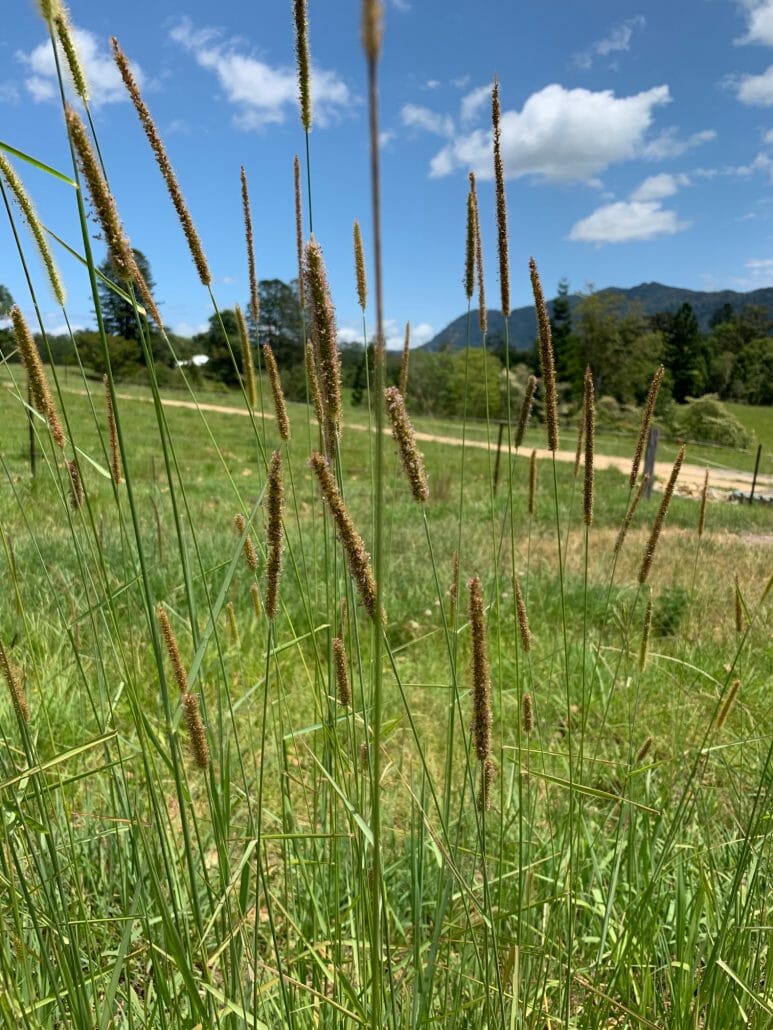
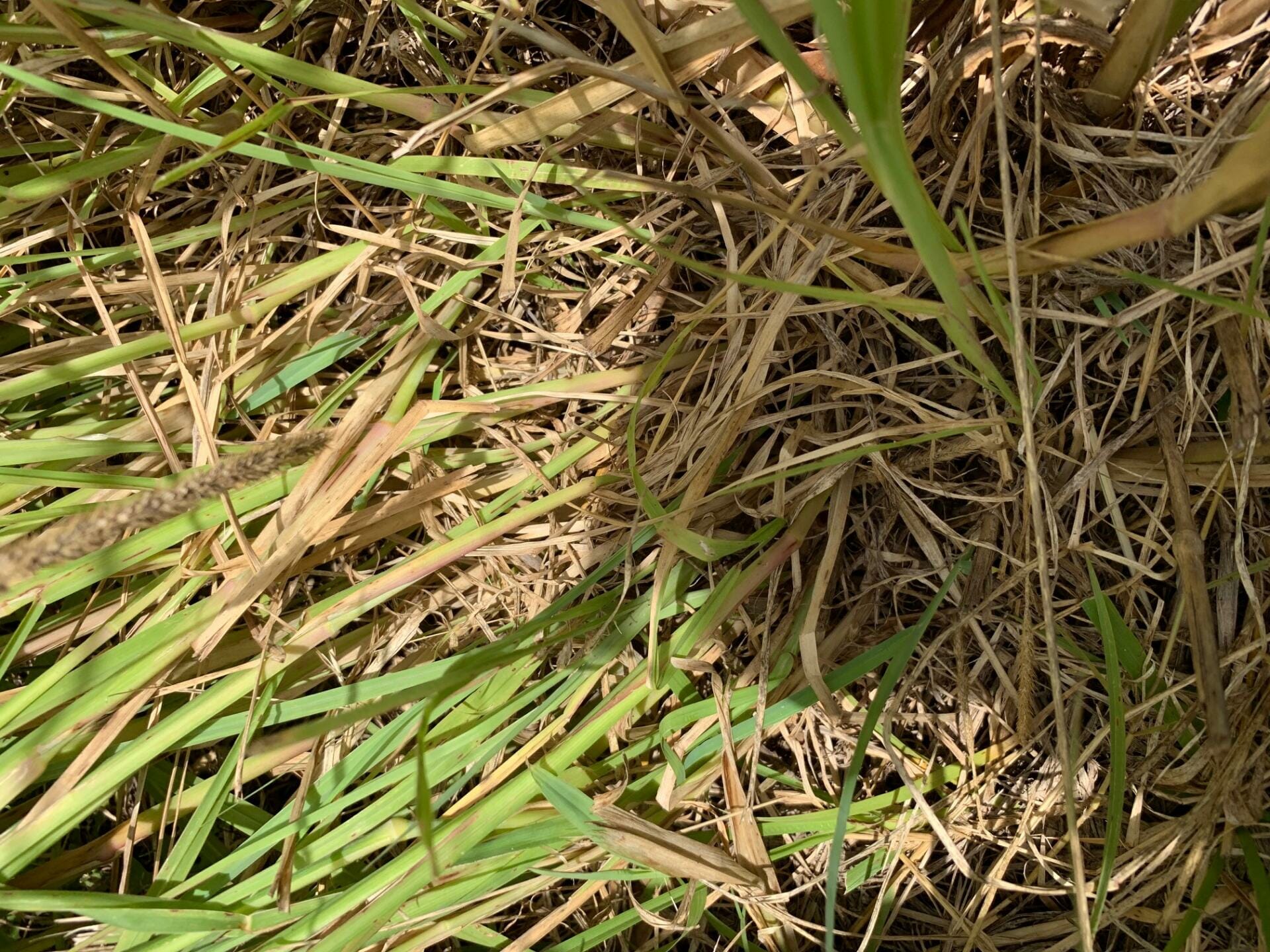
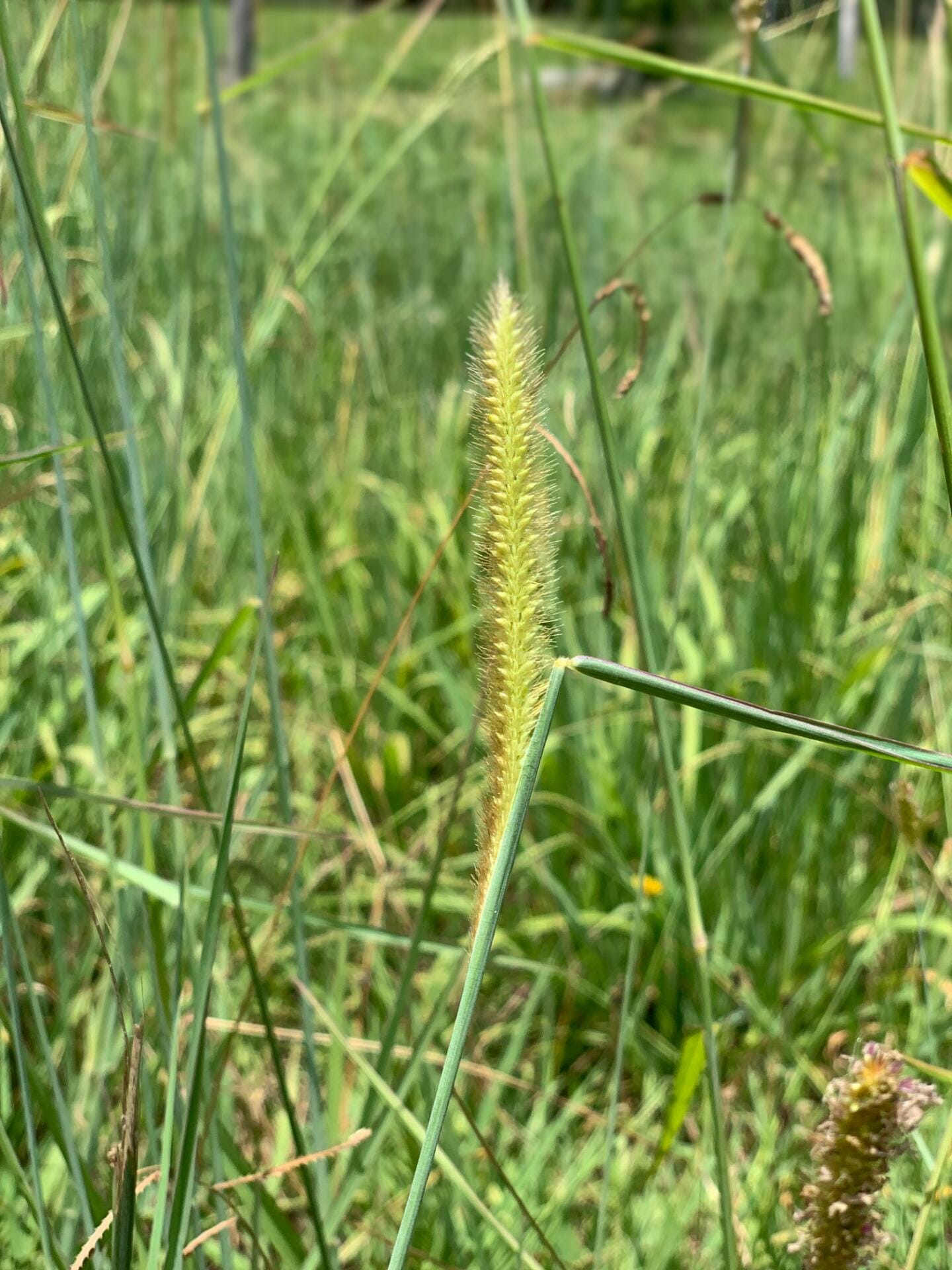
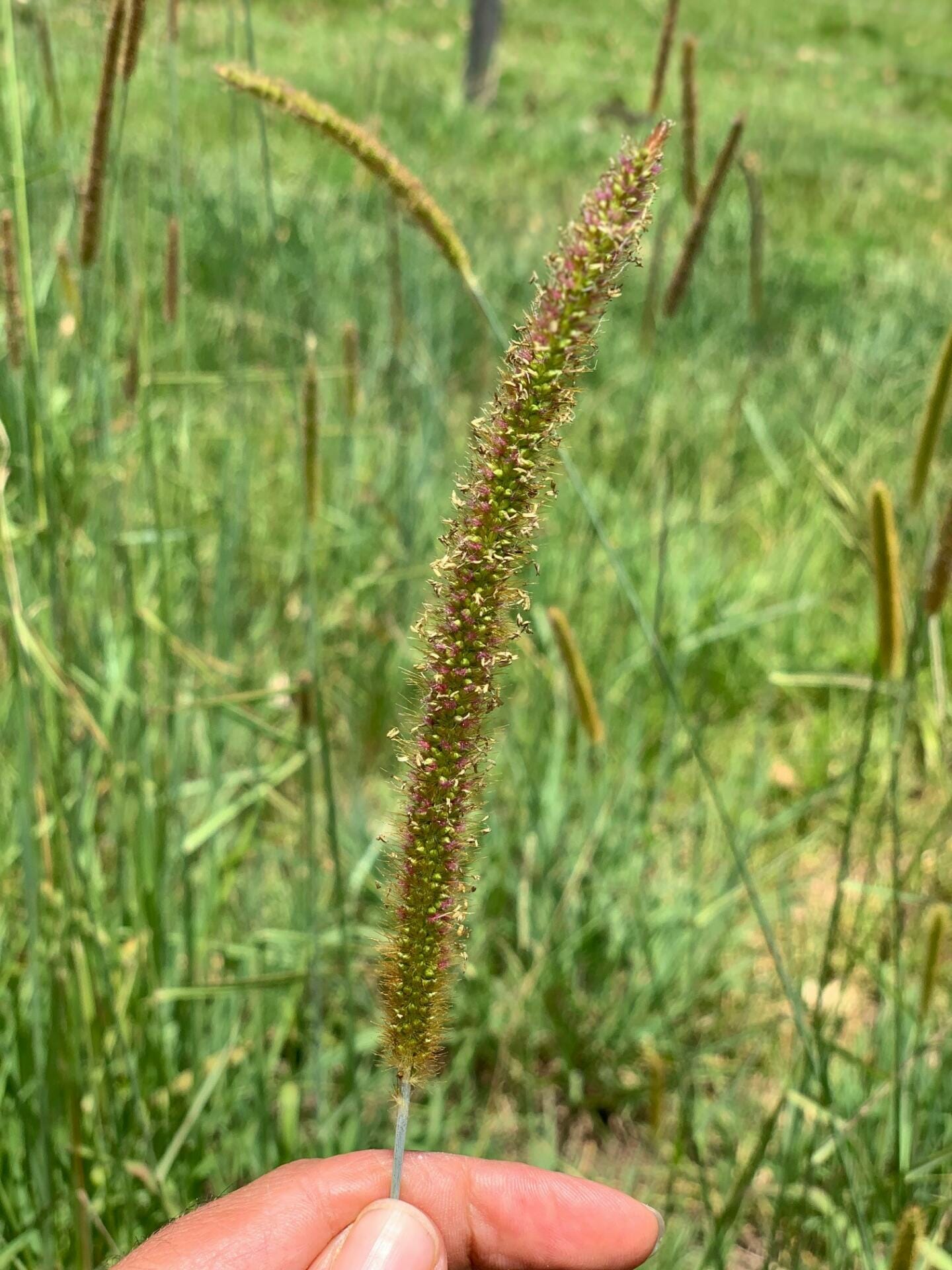
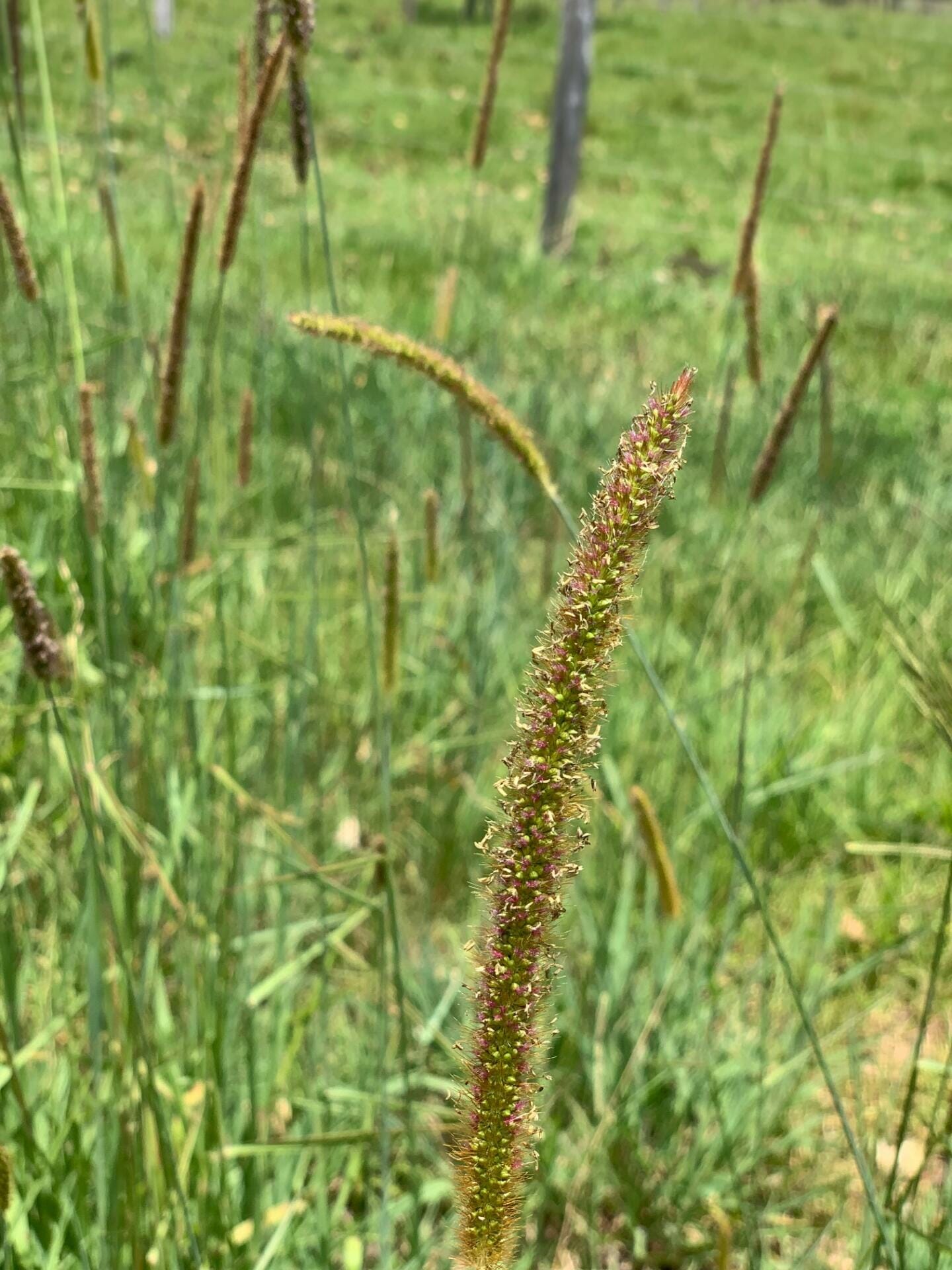
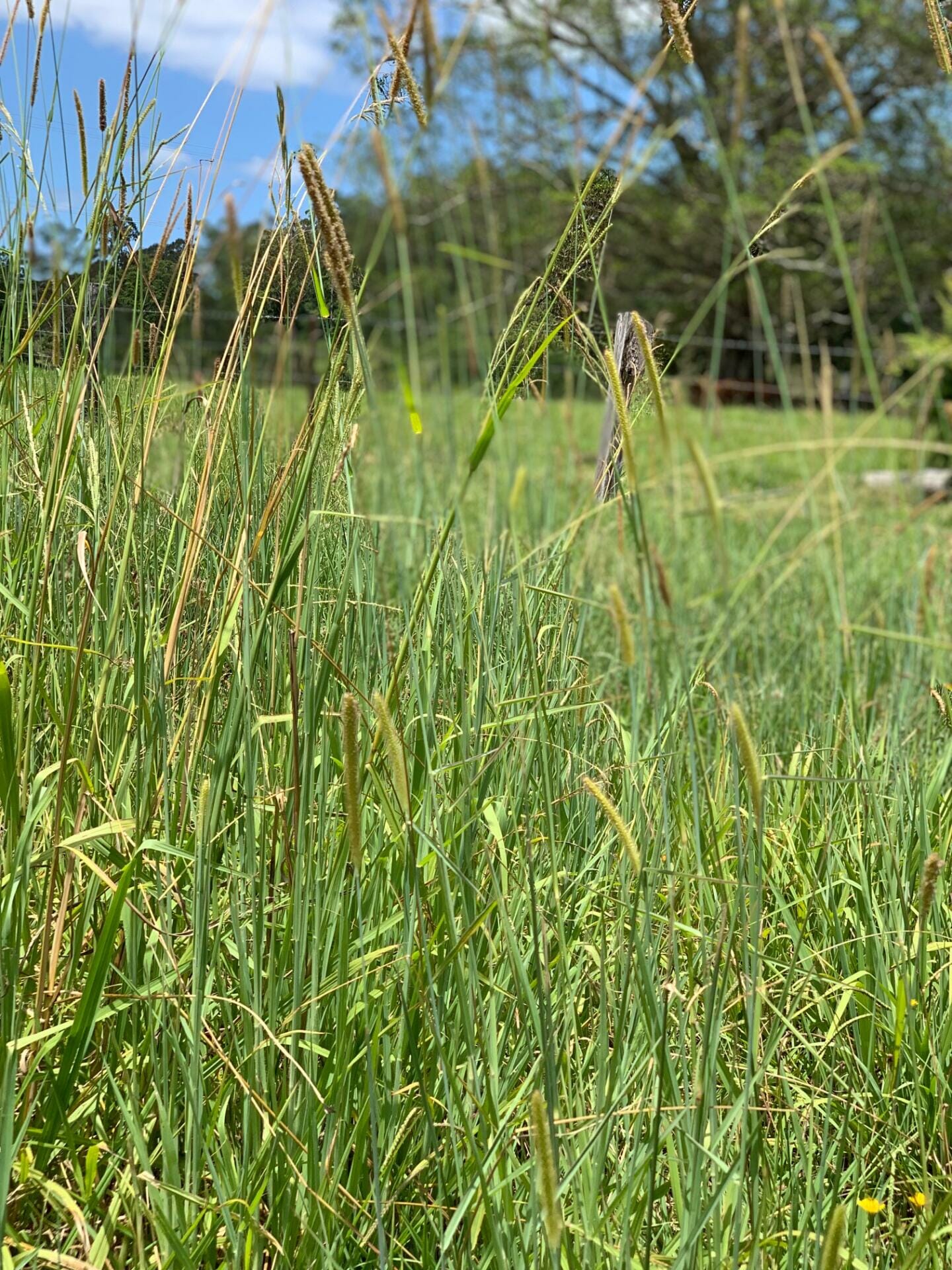
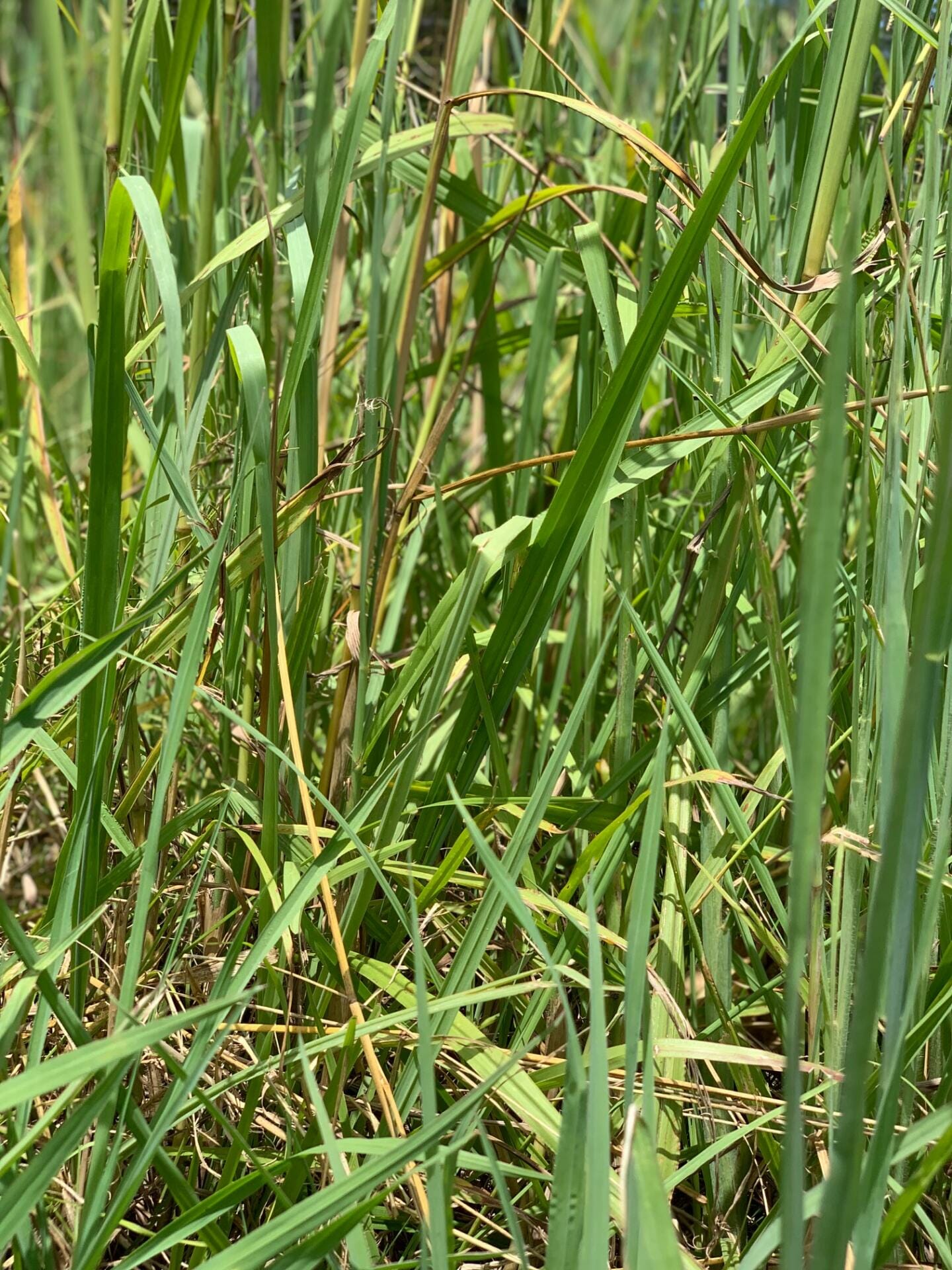
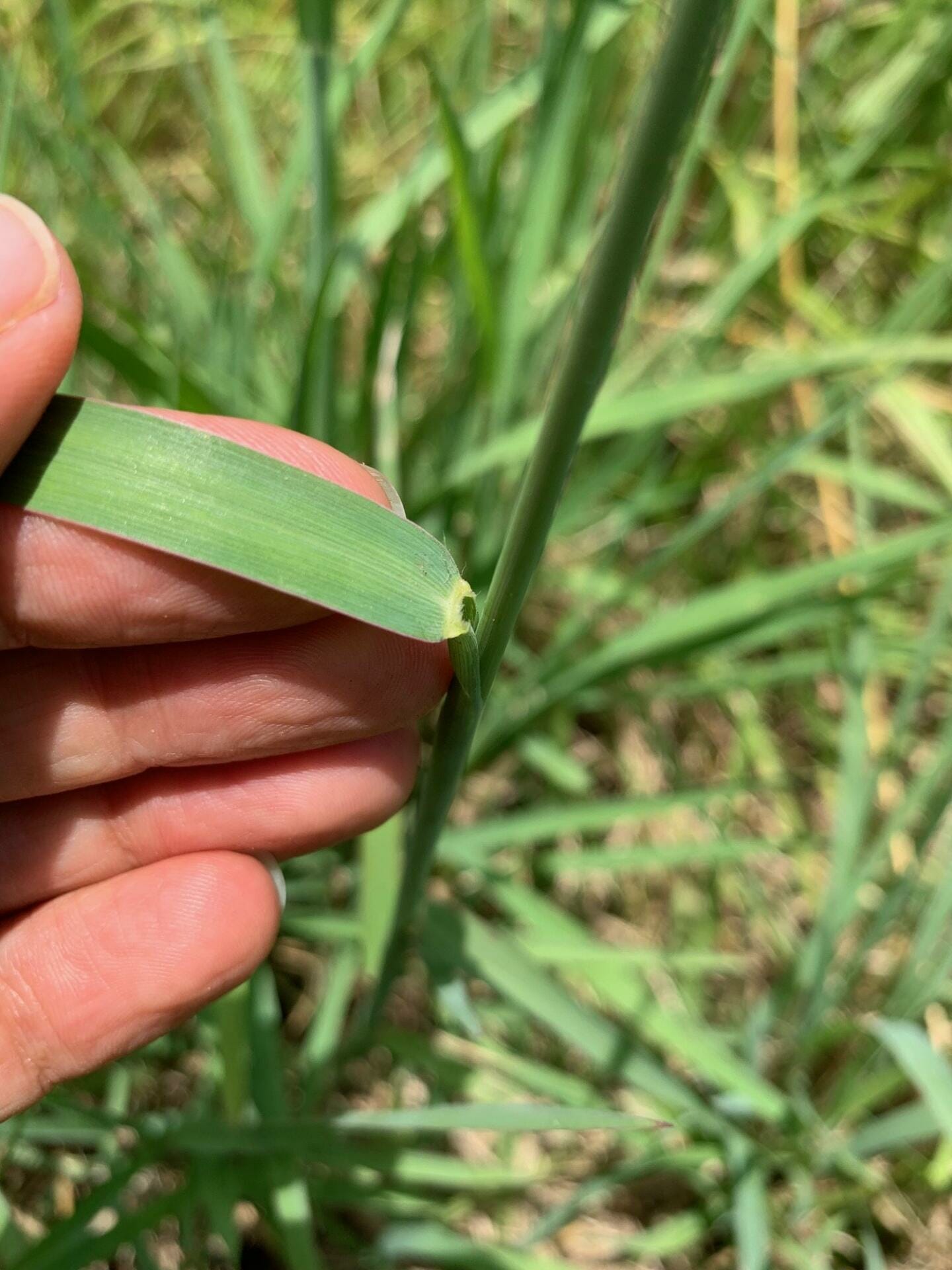
Here are some photos (below) of setaria on the NSW mid-north coast… setaria everywhere! Please take a look at the photos and then in your paddocks to see if you have setaria. And if you do, please do something sooner than later to prevent severe and often life-threatening calcium deficiency.
Get EVEN MORE practical and personalised feeding guidance when you sign up to FEEDXL.
Do you have a question or comment? Do you need help with feeding?
We would love to welcome you to our FeedXL Horse Nutrition Facebook Group. Ask questions and have them answered by PhD and Masters qualified equine nutritionists and spend time with like-minded horse owners. It’s free!
Teff Hay seems to be gaining popularity as a hay option for many horse owners and because it is sold as a low starch low sugar hay it is starting to be recommended in place of Rhodes Grass Hay.
BUT, if you are lucky enough to have access to Rhodes Grass Hay, here are some things to think about before considering a swap:
1. Rhodes Grass Hay is low in oxalate, containing approximately 2.5 to 3 g/kg of oxalate.
Teff Hay is moderate to high in oxalate at 10 to 12 g/kg. This means Teff needs careful supplementation of calcium, phosphorus and magnesium to prevent it from causing Bighead Disease. With Rhodes being so low in oxalate Bighead is not an issue (though you do still need to make sure you correctly balance the diet for minerals and vitamins as forages rarely contain enough to meet a horse’s requirement).
2. Rhodes Grass Hay is more reliable and consistent when it comes to the low starch, low sugar characteristic.
From the analyses we have seen coming through here at FeedXL, Teff can be high in starch, with one analysis sent through showing an as-fed starch content of 7.1% and total NSC of 13.7% which, for a laminitic horse, is going to be too high. While soaking would more than likely bring this non-structural carbohydrate (NSC) level back down to safe levels it makes for much more time-consuming feeding… so if you have access to Rhodes Grass it would be much easier to use this.
3. Teff Hay causes some odd behavioural issues in some horses and this is normally associated with an alkaline fecal pH.
We have no way of explaining this, and it doesn’t happen with all horses on Teff so I don’t know if all Teff Hay is the same or if there is a certain variety that causes this issue.
So, while Teff gives people in cooler climates a low NSC option which is welcome, it is not yet well understood and not without its issues. If I had a choice between Teff and Rhodes I would go with Rhodes Hay every time.
Do you have a question or comment? Do you need help with feeding?
We would love to welcome you to our FeedXL Horse Nutrition Facebook Group. Ask questions and have them answered by PhD and Masters qualified equine nutritionists and spend time with like-minded horse owners. It’s free!
Many people wonder about how high sugar or high NSC forages affect their horse’s weight, so this is a question we are often asked. Our standard response has always been ‘well, it depends on the calorie content of the forage’, which then begs the question about the relationship between forage NSC and digestible energy content.
What exactly is the relationship between high sugar forages, digestible energy, and horse weight?
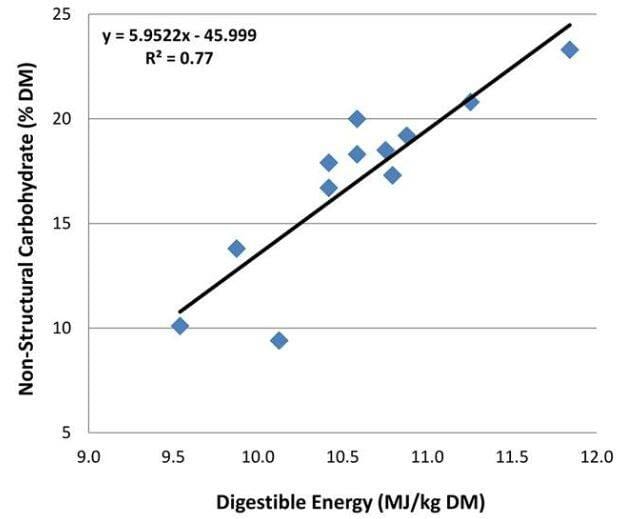
In looking at 13 pasture samples from one farm, it seems the higher the NSC content, the higher the digestible energy (calorie) content. The pastures shown here were all sampled between 11 am and 2 pm on the same day. They were all dried at the same time and all were analyzed by Equi-Analytical.
A graph of Digestible Energy (calorie) value versus pasture non-structural carbohydrate (NSC = starch + water soluble carbohydrates) content is pretty clear for this particular set of pastures; as NSC increases so does digestible energy… which makes very logical sense given the NSC is a source of calories so the more NSC, the more calories.
So perhaps the answer should be ‘yes, high NSC forages will make your horses fatter faster than low NSC forages!’. And therefore yes, it makes sense to feed a low NSC forage when you are trying to achieve weight loss or avoid weight gain in your easy keepers.
Do you have a question or comment? Do you need help with feeding?
We would love to welcome you to our FeedXL Horse Nutrition Facebook Group. Ask questions and have them answered by PhD and Masters qualified equine nutritionists and spend time with like-minded horse owners. It’s free!
Lucerne/Alfalfa… if it is really fresh and green it will often cause scouring/diarrhea. We’re not sure what causes the scouring, BUT observation over the years is that once it is stored for a few months the problem goes away (hence the old advice to always feed ‘shedded’ hay)… so whatever it is in lucerne/alfalfa that causes the issue seems to be volatile and disappears after a while.
The issue often is that hay is in such short supply that all we can get is very fresh alfalfa/lucerne! We don’t have the luxury of waiting a couple of months for it to lose whatever it is that makes our horses scour… but here is what you can do!
A quick and easy fix
Take your bales, open them up and spread the pieces (biscuits, flakes, leaves… we call them all sorts of funny things depending on where you are in the world!) apart and let them sit for about a week (longer if you have the luxury of time) to air out. You should find that your horse’s gut will be much happier with it once it has had this chance to air out. If your hay seems particularly rich and is making horses scour badly try also sitting it in the sun.
Experience with lucerne/alfalfa in a polo stable in Asia where it was actually bursting horses’ stomachs was a real eye-opener. But once they started airing and sunning the hay like this (it was imported from the USA) the problem thankfully stopped.
If you are dealing with soft manure in horses on fresh lucerne/alfalfa give this a try. We would love to know what happens if you have time to leave a comment.
Do you have a question or comment? Do you need help with feeding?
We would love to welcome you to our FeedXL Horse Nutrition Facebook Group. Ask questions and have them answered by PhD and Masters qualified equine nutritionists and spend time with like-minded horse owners. It’s free!
Here is some research on Teff compared to other species used in hay and a word of caution when feeding this type of forage to horses.
There is a bit of research looking at the use of teff hay in diets where low sugar, low starch forages are required. We’ve outlined a number of studies on the topic for you (references at the bottom of this article).
Staniar et al 2010
These authors report non-structural carbohydrate (NSC) contents for teff of 5.4% in the ‘boot’ stage and 8.4% in the ‘late heading stage’ of plant maturity. Both really low NSC levels and well below the 10 – 12% threshold considered safe for laminitic/EMS/PPID/PSSM horses. Variation in NSC levels between samples was also minimal which is also our experience with other C4 Type grasses like Rhodes for example.
Horses in this study ate 1.5% to 1.8% of their bodyweight in teff hay, with the lower intakes being on the more mature hay. Again, this is a good thing as horses on restricted diets are unlikely to eat this hay as fast as more palatable hays like alfalfa, so they should eat for longer periods of time for lower calorie intake.
McCown et al 2012
Report that when fed to horses unaccustomed to teff and given a choice of either teff and alfalfa or teff and timothy, their intake of teff is lower than their intake of alfalfa (no surprises there) and timothy. BUT, when given access to only teff, intake was about the same as timothy hay. So, they don’t relish teff hay, but truly, this is a good thing as they are less likely to overeat it!
Askins et al 2017
These authors report that horses given free access to teff hay consumed 1.5% of their bodyweight per day which equated to 86% of maintenance calorie requirements. So, the finding of lower intake on teff continues … hooray for teff!
This study also reports that resting glucose and insulin levels did not change over 10 days while the horses were fed teff. To keep this in context however, ryegrass hay (which can be very high in NSC) was fed as the control hay in this study and glucose and insulin levels also remained the same on this hay. Unfortunately the NSC content of the hays was not reported (yet!).
DeBoer et al 2017
In another recent study, these authors report that cool season (C3) perennial grasses (in this case orchard grass, also known as cocksfoot and Kentucky bluegrass) had a significantly higher NSC content than teff pasture in summer and fall/autumn, however actual NSC content was not reported (this is just an abstract, data will be fully published in paper discussed below).
This research also looked at differences in plasma glucose levels in horses grazing either alfalfa, cool season (C3) grasses or teff and found that differences were minimal. However, we know that insulin resistant horses can maintain normal glucose levels, they just need a lot more insulin to achieve this.
DeBoer et al 2018
This is the fully published journal paper of the research above. Authors report that horses grazing teff had significantly lower PEAK insulin levels when compared to horses grazing cool season (C3 Type) grasses in fall/autumn… despite NSC levels not being significantly different between the grasses (the cool season grasses had numerically higher NSC values but when variation was taken into account they were not significantly different). It is worth noting here however that teff was not recorded with an NSC above 10% at any time point where the cool season grasses did reach 12.6% NSC in summer.
All in all, from the research available, teff appears to be suitable for horses who need either a calorie restricted and/or NSC restricted diet. If you are going to feed teff hay though be sure to use FeedXL to balance the diet.
But be aware there is a caution to consider.
What you need to know about feeding teff hay to horses
Teff, being a subtropical/warm season/C4 type grass does contain oxalate which will reduce calcium absorption by your horse and may lead to calcium deficiency if you don’t correctly balance the diets calcium to oxalate ratio (FeedXL will make sure you do this!).
If the calcium deficiency is prolonged your horses will end up with a condition known as secondary nutritional hyperparathyroidism, commonly called ‘Bighead Disease’. You are unlikely to see actual changes in a horses facial/head structure, but you will instead notice general soreness, possibly a shifting lameness, changes in behaviour (horses will often become unhappy and just generally grumpy with a bit of a please don’t touch me attitude) and an intolerance for work (because everything is sore).
To prevent this from occurring you must keep the overall diets calcium to oxalate ratio at or above 0.5 parts calcium to every 1 part oxalate. And with additional calcium being added you will also need to make sure the diets calcium to phosphorus and calcium to magnesium ratios remain balanced. It’s lots of math, but FeedXL does it all for you in the blink of an eye.
Teff, like almost all forages will also be low in trace-minerals and doesn’t contain great quality protein… so you will have a few other nutrient gaps to fill. Of course, testing your specific hay and uploading this to FeedXL will give you the best results in balancing your horse’s diet!
There have been a few reports of teff hay causing behavioural changes in horses and a very alkaline (8+) pH of manure. I have no explanation for this but the people who reported this to me said it occurred repeatedly in multiple horses and that once changed onto a diet of meadow hay, faecal pH and behaviour returned to normal. One of the horse owners reporting this is a knowledgeable and well-respected equine nutritionist.
Finally, alfalfa/lucerne hay makes a great forage to feed alongside teff. Alfalfa is similarly low in NSC, but unlike teff is rich in quality protein and high in calcium to help offset the calcium binding tendency of the teff. They complement each other nicely.
If you are involved in racing or FEI disciplines you may also need to be careful to not feed too much (or any??) teff because of possible positive swabs for synephrine, which reportedly occurs naturally in teff hay.
If you want to feed teff, our most recent recommendation is to do it carefully, introducing it slowly, feeding it alongside alfalfa and being sure to balance the overall calcium to oxalate ratio of the diet (again, FeedXL will help you to do this).
If you get odd behavioural changes, check faecal pH using a soil pH test kit. If pH is alkaline you may need to reduce the amount of teff you are feeding until this goes back to ‘normal’ (closer to a pH of 7).
REFERENCES
Askins M.J., Palkovic A.G., Leppo K.A., Jones G.C. & Gill J.C. Effect of feeding teff hay on dry matter intake, digestible energy intake and resting insulin/glucose concentration in horses. Journal of Equine Veterinary Science 52, 45.
DeBoer M.L., Hathaway M.R., Kuhle K.J., Weber P.S.D., Sheaffer C.C., Wells M.S., Mottet R.S. & Martinson K.L. Glucose response of horses grazing alfalfa, cool-season perennial grasses and teff across seasons. Journal of Equine Veterinary Science 52, 79.
DeBoer ML, Hathaway MR, Kuhle KJ, et al. Glucose and Insulin Response of Horses Grazing Alfalfa, Perennial Cool-Season Grass, and Teff Across Seasons. Journal of Equine Veterinary Science 2018;68:33-38.
McCown S., Brummer M., Hayes S., Olson G., Smith S.R., Jr. & Lawrence L. Acceptability of Teff Hay by Horses. Journal of Equine Veterinary Science 32, 327-31.
Staniar W.B., Bussard J.R., Repard N.M., Hall M.H. & Burk A.O. (2010) Voluntary intake and digestibility of teff hay fed to horses1. J Anim Sci 88, 3296-303.
Join FeedXL today and take control of your horse’s nutrition
Get EVEN MORE practical and personalised feeding guidance when you sign up to FEEDXL.
Do you have a question or comment? Do you need help with feeding?
We would love to welcome you to our FeedXL Horse Nutrition Facebook Group. Ask questions and have them answered by PhD and Masters qualified equine nutritionists and spend time with like-minded horse owners. It’s free!
“You eat like a horse”. There is a very good reason this saying exists: Horses. Eat. A. Lot! And a vast majority of horse owners know this, but every now and again we come across a horse owner who is concerned about weight loss in their horse and it is simply because they don’t realise just how much forage a horse actually needs to eat each day (except some of our horses, they seem to eat nothing and still get fat!).
So, we thought it a good reminder about how much forage a horse needs to eat each day. Traditional recommendations were that horses should receive a minimum of 1% of their bodyweight (1 kg/100 kg BW 0r 1 lb/100 lb BW) of forage per day. More recently however, Harris et al (2016) have increased the recommended minimum to 1.5% of bodyweight. Most good nutritionists will aim for 2% BW of forage in a diet where this is possible.
The amount of forage fed has an impact on the health, welfare, behaviour, gut health and performance of your horse as well as a horse’s risk of colic. Where we see it go horribly wrong is when an owner simply doesn’t realise just how much hay a horse actually needs to eat in a day. Underfeeding hay will often result in weight loss and can result in life-threatening colic. The good thing is it is very easily fixed, just feed more hay!
Do you have a question or comment? Do you need help with feeding?
We would love to welcome you to our FeedXL Horse Nutrition Facebook Group. Ask questions and have them answered by PhD and Masters qualified equine nutritionists and spend time with like-minded horse owners. It’s free!
What is best to feed in really cold weather to help your horse stay warm?
Well, the answer is hay or any type of high fibre forage really.
The fibre in hay and other forages is digested in your horse’s hindgut via the process of bacterial fermentation. A by-product of this fermentation process is HEAT!
By feeding extra forage in cold weather, you are giving your horse’s resident population of bacteria more fibre to ferment… which in-turn means they will generate more heat and help to keep your horse warm. Neat huh!
Just keep in mind though that you can overdo it. Feeding more than about 3% of your horse’s bodyweight in feed per day (or more than 3 lb/100 lb BW; 3 kg/100 kg BW) will have the effect of increasing passage rate through the gut.
So while there would be more fibre for the bacteria to ferment the fibre would spend less time in the hindgut, with less time for fermentation and heat production. Catch-22!
Do you have a question or comment? Do you need help with feeding?
We would love to welcome you to our FeedXL Horse Nutrition Facebook Group. Ask questions and have them answered by PhD and Masters qualified equine nutritionists and spend time with like-minded horse owners. It’s free!
There has been a lot of talk in recent years about the effect pasture mycotoxins are having on our horses and whether or not mycotoxin binders are an effective solution. While the extreme cases of staggers and pregnancy complications from grasses like perennial ryegrass and tall fescue are well documented it appears that pasture mycotoxins may be having more subtle effects on our horses that until recently have not been well recognised.
In an attempt to reduce the impact of the mycotoxins present in pastures many horse owners have been using mycotoxin binders. But do they work?
The problem with pastures
Some species of ryegrass and tall fescue are inoculated deliberately or infected with wild endophyte fungi. These fungi live within the plant in a symbiotic relationship where the plant provides the fungi with food and a place to live, and the fungi provide the plant with protection from insect and nematode attack by producing toxic chemicals or mycotoxins which cause a disease in some grazing animals called a mycotoxicosis. So, while the endophyte infected pastures are desirable from a pasture production perspective, the toxins they may contain can cause health problems for your horses. Horses grazing these pastures may exhibit some or all of the following clinical signs:
Reduced appetite
Weight loss or reduced growth rates
Inability to correctly regulate body temperature
Diarrhoea
Excitable, unpredictable, irritable or uncharacteristic behaviour
Over-reaction to common stimulus they would normally be OK with
Muscle twitching or twitching of the face, lips and eyelids
Prolonged pregnancy and thickened or retained placenta
Aborted or small, ‘undercooked’ foals
Dramatically reduced milk production by mares in early lactation
Loss of coordination, especially in the hind end, and staggering
Severe lameness
Bleached and/or rough coat
These possible symptoms are obviously very broad and many of them can be caused by any number of other factors, so you need to be very, very careful not to jump to conclusions and assume that the problems you are seeing in your horses are caused by mycotoxins in your pasture. if you have ruled out other possible causes and your horse is grazing a pasture that is potentially ‘poisoning’ them, then chances are what you are seeing is a mycotoxicosis.
Which mycotoxins are present in pasture?
Potentially, there could be any number of mycotoxins in your pasture as common moulds or fungi like Aspergillus, Fusarium and Penicillium can produce mycotoxins when growing on pasture. However, the mycotoxins most likely present in perennial ryegrass and tall fescue pastures that will cause issues are ergovaline and lolitrem B.
What are mycotoxin binders?
A mycotoxin binder is a compound that can be added to a horse’s ration in an attempt to grab hold of a mycotoxin that may be present in feed or pasture, binding it strongly enough to prevent absorption from the gut of the animal.
There are many materials that can be used as mycotoxin binders including activated carbon, aluminosilicates like zeolite, cellulose, polysaccharides that are found in the cell walls of yeast and some bacteria (eg glucomannans) and even some synthetic materials.
Do all binders bind all mycotoxins?
In a word… NO! And this is where a major key lies to whether mycotoxin binders will work to prevent pasture associated mycotoxin poisoning or not. For example, it has been shown that glucomannan from the yeast Saccharomyces cerevisiae is very effective at binding aflatoxin (one of the most important and prevalent mycotoxins present in grain-based livestock feeds) and good ability to bind the fumonisin and zearalenone mycotoxins, but it is ineffective when it comes to binding other important mycotoxins like T-2 (trichothecene), DON (deoxynivalenol) and ochratoxin.
Why don’t all binders work on all mycotoxins?
One of the reasons some binders can bind some mycotoxins and not others is dependent on the mycotoxin itself and whether it is polar (possessing an electrical charge) or not. Aflatoxin for example is a polar mycotoxin and is very easily ‘picked up’ by a yeast derived glucomannan based binder (which are the most common mycotoxin binders on the market for horses). The pasture-based mycotoxins ergovaline and lolitrem B on the other hand are non-polar (no charge) so trying to pick them up with a yeast cell wall-based toxin binder is sort of like trying to pick up a piece of paper with a magnet … it just won’t work.
Where does that leave us with pasture mycotoxins and my horse?
Well… unfortunately there is very little research to show what may or may not work with regards to pasture toxins. None of the companies that manufacture or sell the yeast-based binders have (from what I can see) ever released data to show their products are effective against lolitrem B and ergovaline in any animal species, let alone horses. Research at the University of Melbourne is showing promising results with a new mycotoxin binder in reducing the impact of ergovaline and lolitrem B in sheep. This toxin binder as well as one or two others now on the market for the more common mycotoxins are a new type of ‘binder’ that combines the ability to bind mycotoxins with the ability to also break them down and deactivate them – presumably it is this double mode of action that is enabling them to be somewhat effective in reducing the impact of the endophyte toxins like ergovaline and lolitrem B.
What do you do now?
If you believe your horse is affected by pasture mycotoxins and you are using a mycotoxin binder, it would be a good idea to contact the company you are buying the binder from and asking them what the binder is and whether they have data to show it actually binds the endophyte mycotoxins affecting your horse. If it is a yeast-based binder it is unlikely to be reducing the effects of ergovaline and lolitrem B but you may still be seeing a positive effect if your other feed, hay or chaff is contaminated with one of the common mycotoxins that these yeast-based binders are good at binding.
Really the best way to reduce the impact of ergovaline and lolitrem B is to either remove the horses completely from the pasture, especially during late summer and autumn when endophyte mycotoxin levels are likely to peak. Alternatively, manage your pastures well by preventing both overgrazing and underutilisation of pasture (allowing pastures to go rank/long with many seed heads) so that the risk of ergovaline and lolitrem B ingestion is reduced. Providing mycotoxin free hay to reduce pasture intake will also help.
Not yet a Member of FeedXL?
Get EVEN MORE practical and personalised feeding guidance when you sign up to FEEDXL.
Do you have a question or comment? Do you need help with feeding?
We would love to welcome you to our FeedXL Horse Nutrition Facebook Group. Ask questions and have them answered by PhD and Masters qualified equine nutritionists and spend time with like-minded horse owners. It’s free!
As the seasons change so does the amount of pasture available to your horse. And as the amount of pasture changes, the other aspects of your horse’s feeding regimen also need to change. Failure to adjust your horse’s feeding regime correctly with changing seasons could result in an overweight, hyperactive horse or an underweight, tired mount. But is it as simple as just changing the amount of feed you are giving? We explore this in detail in the following article.
Controlling Energy
As the amount and quality of pasture changes in your paddocks, so does the amount of digestible energy (calories) available to your horse. During cold seasons like winter or periods of drought when very little pasture is available, performance horses often need to be provided with additional energy in the form of hay, haylage, chaff and/or pelleted, extruded or sweetfeed concentrates to ensure their daily energy requirements are met.
In the reverse, when large amounts of high-quality pasture is available, the pasture alone can often go close to meeting a performance horse’s requirement for energy. When these high-quality pastures are available, there is little to no need to feed additional hard feed. In the middle of those two extremes is a situation where either the quality or quantity of available pasture means additional hard feed or forages needs to be supplied to meet energy requirements.
The table below shows the energy deficit left in a working horse’s diet when excellent, fair or poor-quality pasture is the only feed provided in the diet. Excellent quality pasture is able to meet 100% of this horse’s energy requirement, while the poor-quality pasture leaves a 26 MJ/day energy deficit.
Pasture Conditions
Energy requirement for a 500 kg horse in moderate work
Amount of energy supplied by 24 hours access to pasture
Energy Deficit that needs to be filled with supplementary feed
Excellent
104 MJ
104 MJ
Nil
Fair
104 MJ
88 MJ
16 MJ
Poor
104 MJ
78 MJ
26 MJ
The key to knowing when to adjust the amount of feed you are feeding according to pasture conditions is regularly body condition scoring your horse to detect changes in body fatness and taking careful note of your horse’s behaviour (see FeedXL Newsletter #1). If your horse is starting to get too fat or is feeling full of itself, this may indicate you are feeding too much. If your horse is losing condition or feeling flat during work pasture quality may have dropped and you may need to feed more supplementary feed.
What about minerals?
While adjusting the amount of extra feed you provide may seem simple and is something a majority of horse owners do instinctively very well, there is a catch … you need to adjust what you are feeding to control energy intake WITHOUT unbalancing your horse’s diet from a vitamin and mineral perspective.
Let’s look at an example; A horse is grazing poor quality pasture and being supplemented with 2 kg/day (4.4 lb) of alfalfa/lucerne hay and 3 kg per day (6.6 lb) of a complete feed. As spring approaches and pasture conditions start to improve the horse starts to put on some weight so its owner (wisely) reduces the complete feed being fed from 3 kg/day to 1.5 kg/day (3.3 lb) and the horse’s weight stabilises. Once the warm weather arrives, the pastures improve to excellent quality and again the horse starts to put on some weight and feels a bit fresh in its work, so the complete feed and lucerne hay is now completely removed from the horse’s diet.
This feed reduction strategy is perfect with respect to controlling energy intake and is absolutely what should happen to avoid an overweight, hyperactive horse. However, simply reducing the amount of a complete feed in a horse’s diet leaves that horse wide open to mineral deficiencies, because in reducing the amount of complete feed in the diet to control energy intake, you are also going to reduce the amount of supplementary minerals in the diet and create some mineral deficiencies. The table below demonstrates how these mineral deficiencies develop as the amount of complete feed in the diet is reduced.
Energy
Copper
Zinc
Selenium
Iodine
% of recommended daily intake provided by the diet*
Poor quality pasture + 2 kg Lucerne Hay + 3 kg Complete Feed+
100%
129%
127%
110%
107%
Fair quality pasture + 2 kg Lucerne Hay + 1.5 kg Complete Feed+
100%
89%
108%
82%
73%
Excellent quality pasture only
100%
44%
73%
36%
29%
*RDIs from FeedXL.com +Well formulated commercial feed for performance horses
What is the solution?
Obviously continuing to feed the same amount of complete feed all year round to meet mineral requirements is not a feasible solution as while this will prevent mineral deficiency, it will oversupply energy requirements when pasture conditions are good, causing horses to get overweight and hyperactive. So, what should you do?
You need to learn to feed your horse seasonally. The best solution is to always have a complete feed and a compatible low dose mineral supplement or balancer pellet on hand so that as you reduce the amount of complete feed to control energy intake you can add some supplement or balancer pellet to meet mineral requirements without adding unwanted calories to the diet.
Let’s look at the diets above, this time with a balancer pellet added to meet mineral requirements:
Energy
Copper
Zinc
Selenium
Iodine
% of recommended daily intake provided by the diet*
Poor quality pasture + 2 kg Lucerne Hay + 3 kg Complete Feed
100%
129%
127%
110%
107%
Fair quality pasture + 2 kg Lucerne Hay + 1.5 kg Complete Feed + 200 g Balancer Pellet++
100%
116%
130%
106%
103%
Excellent quality pasture + 550 g Balancer Pellet++
100%
124%
153%
103%
111%
+ Well formulated commercial feed for performance horses ++Well formulated balancer pellet
Adding the balancer pellet at different rates according to pasture conditions and the amount of complete feed being fed means you can control energy intake without causing a mineral deficiency.
Of course, not all complete feeds and balancer pellets are created as equal, so use FeedXL (FeedXL.com) to work out which ones do actually meet all of your horse’s requirements. Also stick with products that fully disclose the nutrient analysis of the feed on the label so you can make informed choices on the best complete feeds and supplements to use for your horse.
Take Home Message
As seasons and pasture availability change, you also need to change what you feed your horse. In order to control your horse’s body condition and behaviour the amount of energy (calories) in the diet needs to be kept in check. To do this, the amount of supplementary feed you give will increase during times of poor quality pasture and in the reverse the amount you feed will need to be decreased when there is high quality pasture available.
However, in adjusting feed amounts up and down to match pasture conditions, be aware of the diet’s mineral balance because controlling energy intake by reducing the amount of complete feed you are giving may be inadvertently causing mineral deficiencies that will affect your horse’s health. Feeding a complete feed, together with specific amounts of a mineral supplement or balancer pellet will allow you to control energy intake whilst always meeting mineral requirements. FeedXL.com can help you to work out which products are best to use for your horse and will show you when you are or are not meeting mineral requirements as you adjust amounts of feed in the diet.
Join FeedXL today and take control of your horse’s nutrition
Get EVEN MORE practical and personalised feeding guidance when you sign up to FEEDXL.
Do you have a question or comment? Do you need help with feeding?
We would love to welcome you to our FeedXL Horse Nutrition Facebook Group. Ask questions and have them answered by PhD and Masters qualified equine nutritionists and spend time with like-minded horse owners. It’s free!